Europe
 Australia

We’re far from perfect, but we’ve stepped off the fast fashion treadmill and are focused on producing premium evergreen clothing for the modern explorer.
We are using more sustainable fibres in our fabrics and rigorously testing our clothing for fit, function and durability. It's all about making quality clothing that is low velocity.
Sustainability
-
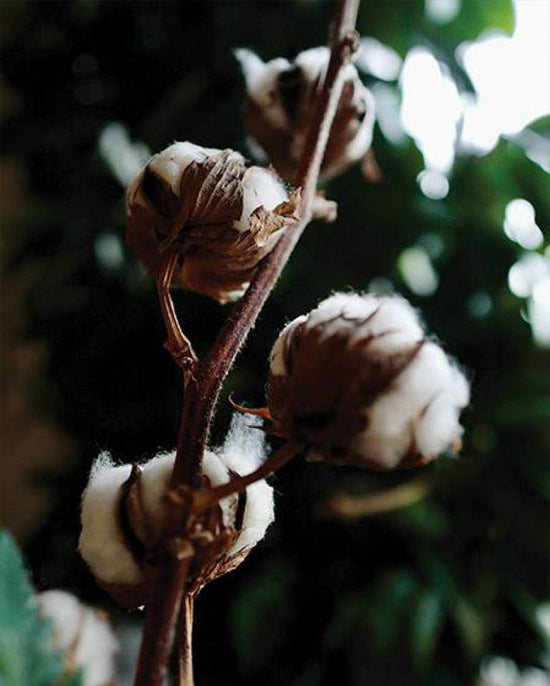
Organic Cotton
Cotton grown with organic agricultural methods uses fewer pesticides than conventional cotton and therefore reduces exposure to toxic chemicals that can end up in the ground, air, water and our food chain. Organic farming can also reduce the pesticide exposure risks for farmers along with cotton and textile workers. For our first Low Velocity range, all cotton stock was sourced from organic yarn and future ranges will carry more explicit certification.
-
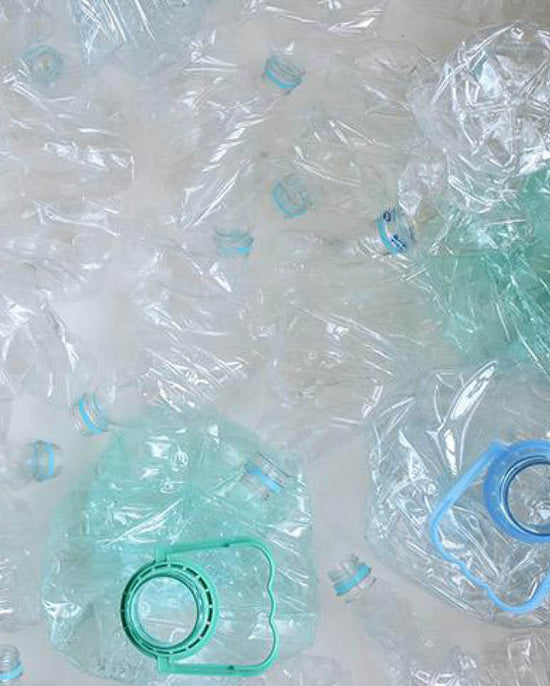
Recycled Polyester
Using recycled polyester fibres made from material like plastic bottles (rPET) instead of virgin polyester, we’re preventing wasteful landfill, saving energy and reducing the need for the primary extraction of crude oil.
-
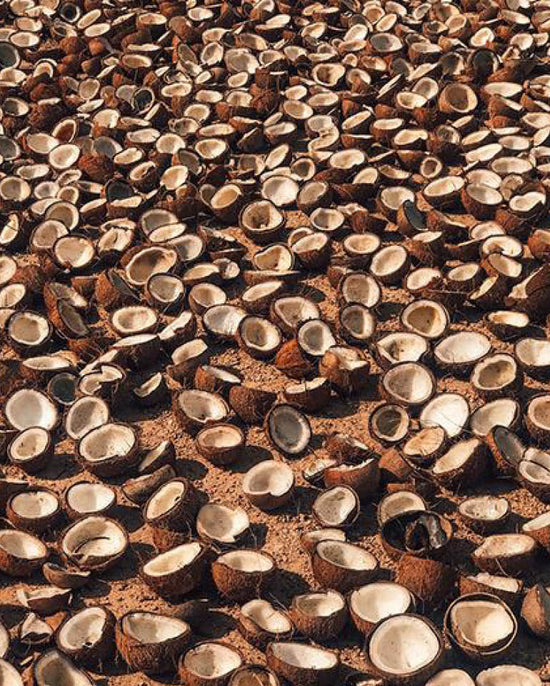
Cocotex® Coconut Polyester
COCOTEX® upcycles coconut husks into activated carbon that is then mixed with polyester, creating a fast drying, odour resistant yarn. Over 20 billion coconuts are harvested each year and the majority of their outer husks treated as a waste product. With COCOTEX® we’re using a more sustainable fibre along with avoiding landfill waste.
-
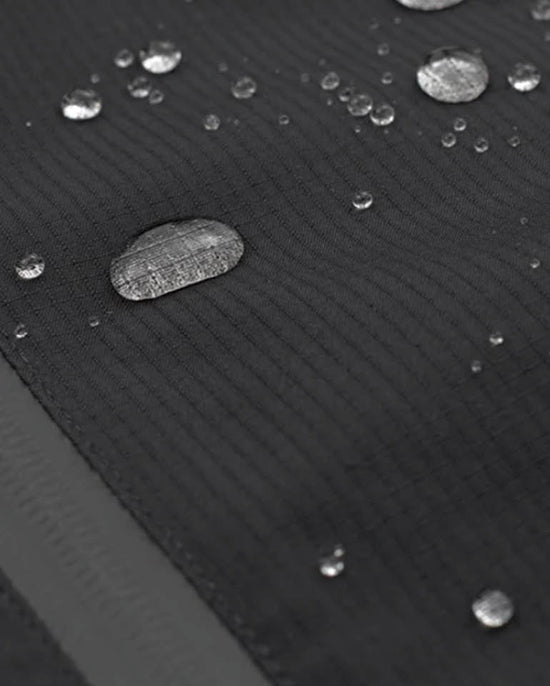
PFOA-Free Durable
Water RepellentWater and stain repellent coatings help you stay dry and clean, and keep your clothing in good condition for longer. Traditionally Durable Water Repellent (DWR) formulas used potentially toxic Perflourooctanoic acid (PFOA) to produce such coatings, but with the Low Velocity range, we choose to use PFOA-Free formulas avoid these chemicals.
-
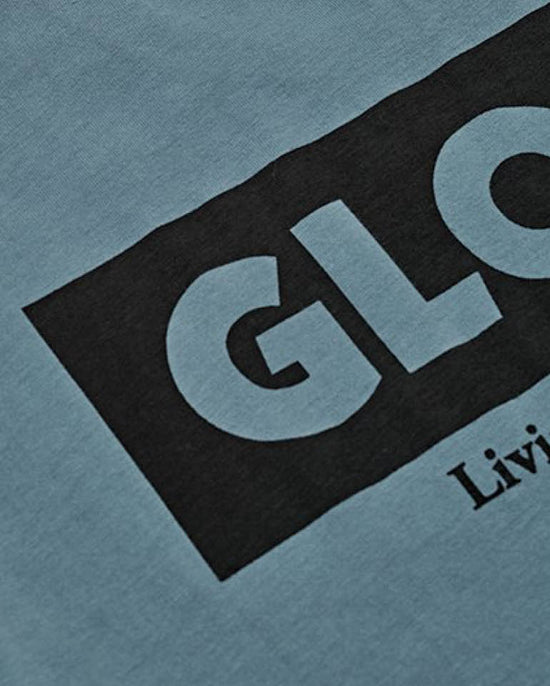
PVC and Phthalate
Free InksGarment screen printing has traditionally employed PolyVinyl Chloride (PVC) based inks. These chemicals can include phthalates which can be harmful to human health. Avoiding their use means safer conditions for workers and safer products all round. Low Velocity product does not contain any PVC or Phthalate-based inks.
-
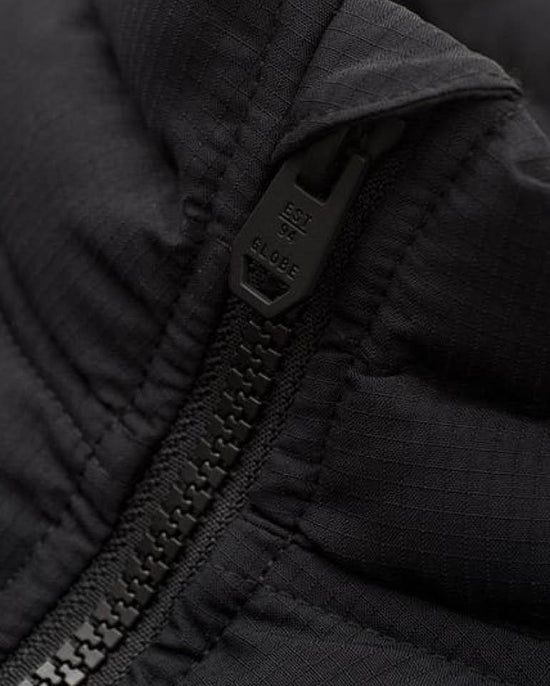
YKK Natulon®
Recycled TapingsMade by the established leading zip manufacturer worldwide, YKK, Natulon®zipper tapings use recycled plastic to keep more waste out of our landfills and reduce reliance on sourcing virgin plastics from the oil industry. That’s why we’ve chosen Natulon®as the default zipper tapings on all Low Velocity products. See NATULON for more.
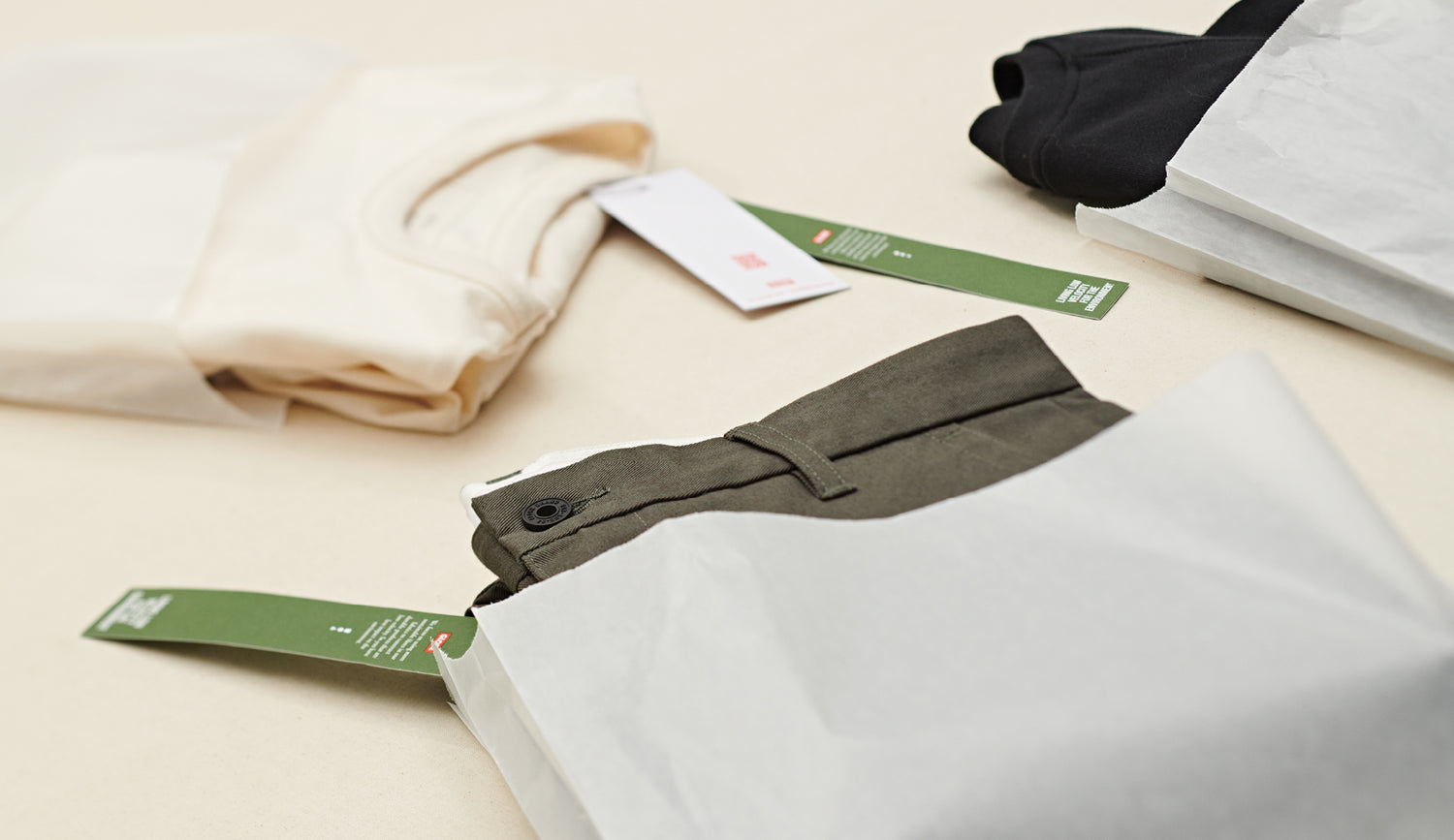
Living Low Velocity With Less Plastic
Over 97% of our collection now comes delivered from our factories in paper garment bags, which are FSC certified and easily recyclable.
Paper may get more crinkled and roughed up in transit, but we’d rather use paper you can easily recycle, than plastic polybags which mostly end up in landfill or even worse, in our oceans.
At the end of the day your clothing will still arrive in great condition. It’s just another small step in Living Low Velocity.
New Arrivals
New Arrivals
-
Carousel
-
O.G Tee - Black
Regular price32.00Regular priceSale price32.00Unit priceper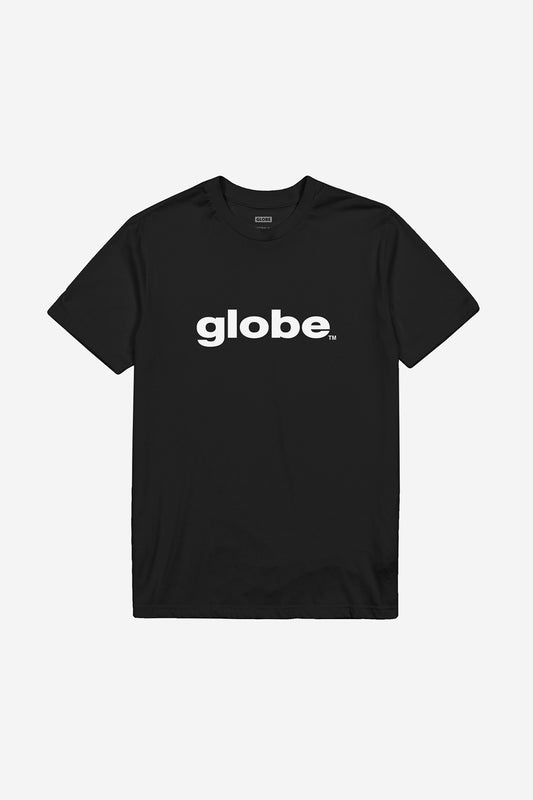
-
O.G Crew - Black
Regular price64.00Regular priceSale price64.00Unit priceper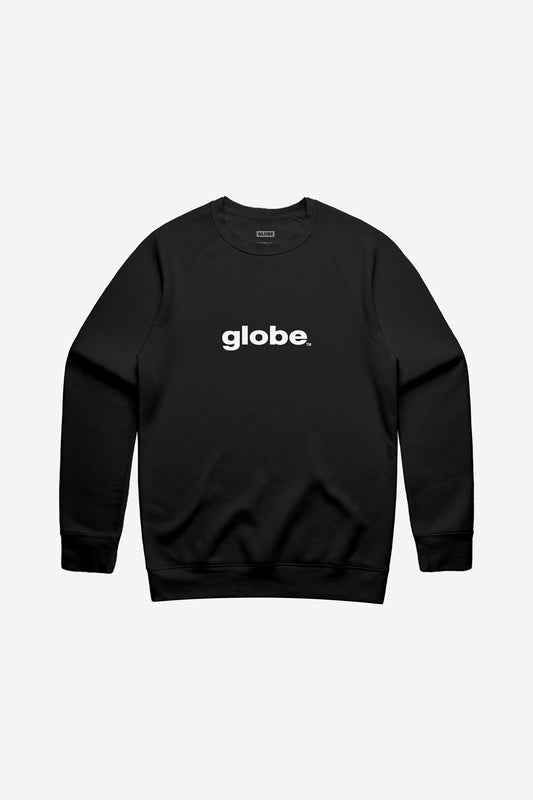
-
Living Low Velocity Tee - White/Red
Regular price32.00Regular priceSale price32.00Unit priceper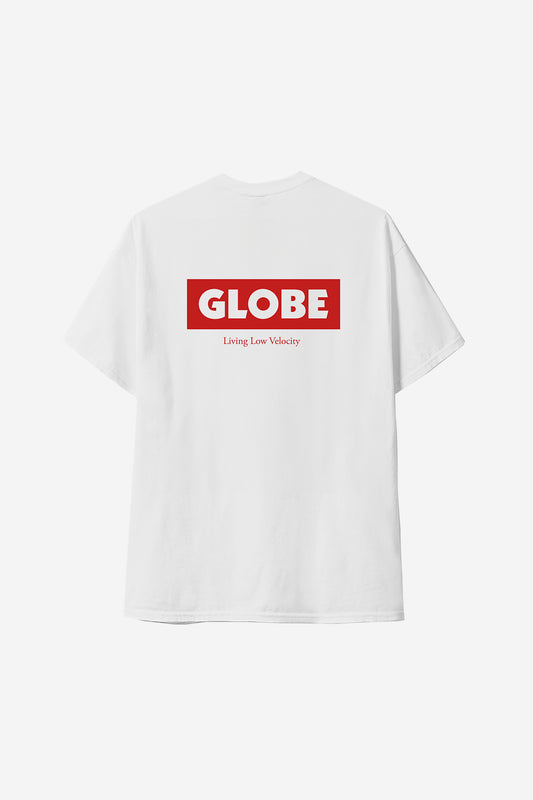
-
O.G Tee - White
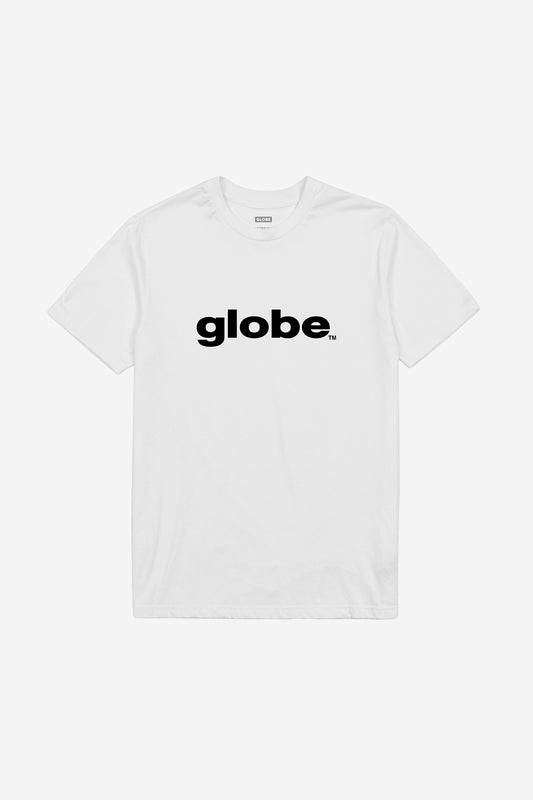
Regular price32.00Regular priceSale price32.00Unit priceper